Grocery Store vs Farmers’ Market Price Showdown in canada | It’s not the one you think

If you live in Canada right now, you don’t need me to tell you that Canadian grocery store prices feel… aggressive. Every grocery run feels like a financial decision. And with constant headlines about Canadian grocery prices, I started wondering something:
Is shopping local at a Canadian farmers’ market actually more expensive — or have we just been conditioned to assume that?
So I did what I always do.
I tested it. I compared a typical grocery haul from a major Canadian supermarket to what I could buy at the Kelowna Farmers’ and Crafters Market right here in the Okanagan Valley of British Columbia.
Same region. Same season. Same basic ingredients.
The results might surprise you.
The Rules of the Test – Grocery Store vs Farmers’ market
To keep things fair, I chose items that:
- Are in peak season in the Okanagan (Peaches, garlic, carrots, cucumbers, etc.)
- Are things I needed and common staples
- Are available at both locations. Unfortunately this ruled out yogurt and milk as my local farmers’ market doesn’t carry these items.
My list included:
- Peaches
- Garlic
- Bread
- Eggs
- Cucumbers
- Carrots
- Granola bars
- Meat like steak and sausages
I tracked:
- Price
- Overall freshness
- Appearances
- Quality and taste because value isn’t just about the number on the receipt.
Canadian Grocery vs Farmer’s Market Prices: The Reality
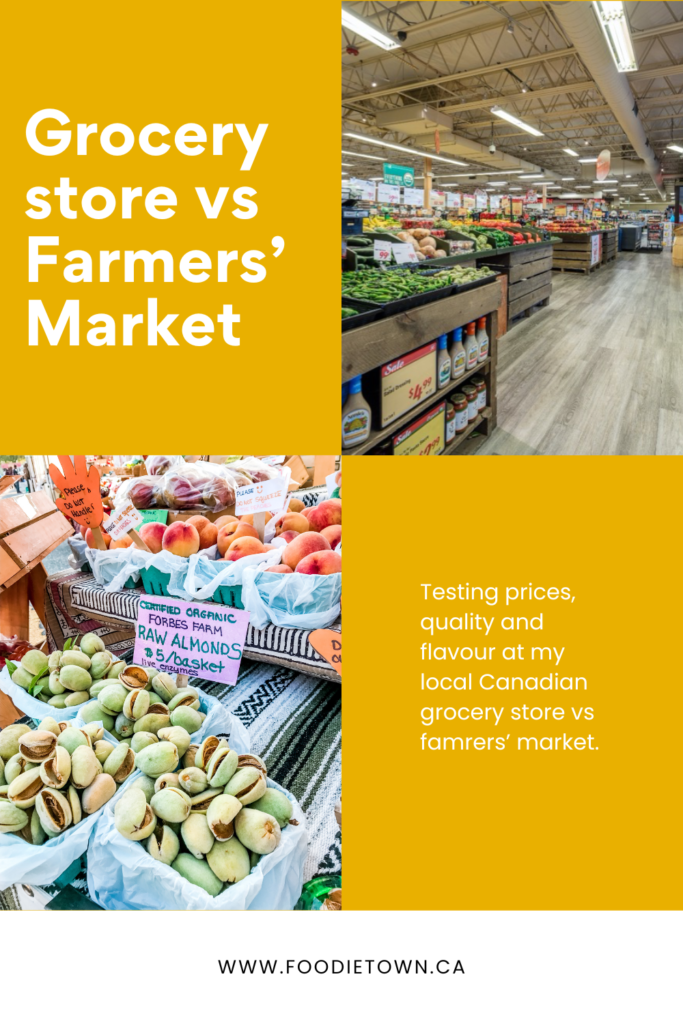
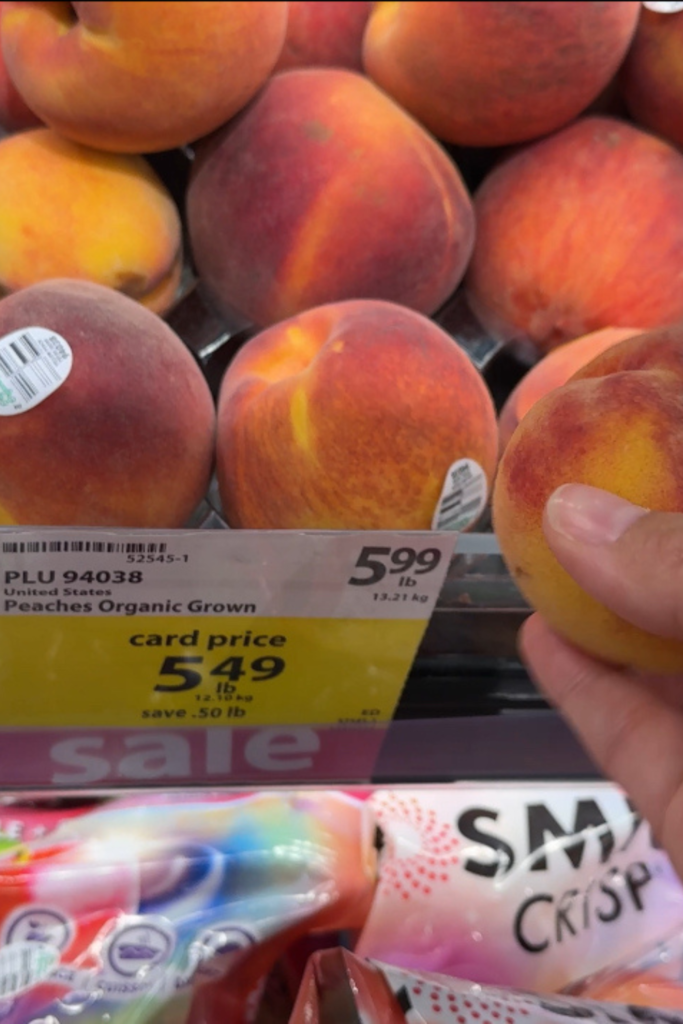
At my local grocery store (Save-On-Foods), prices looked decent at first glance.
But here’s what stood out:
- Many items were shipped from outside BC
- Some produce showed early signs of spoilage
- Packaging inflated the perception of quantity
When we talk about Canadian grocery prices, we’re often looking at national supply chains. Produce may travel thousands of kilometres before landing in your cart. However, Save-On-Foods does claim to support local and Canadian when they can. When certain produce is in season they buy from BC based farmers, not necessarily in the same valley but in the same province. In the Okanagan, that can feel ironic when we’re literally surrounded by orchards.
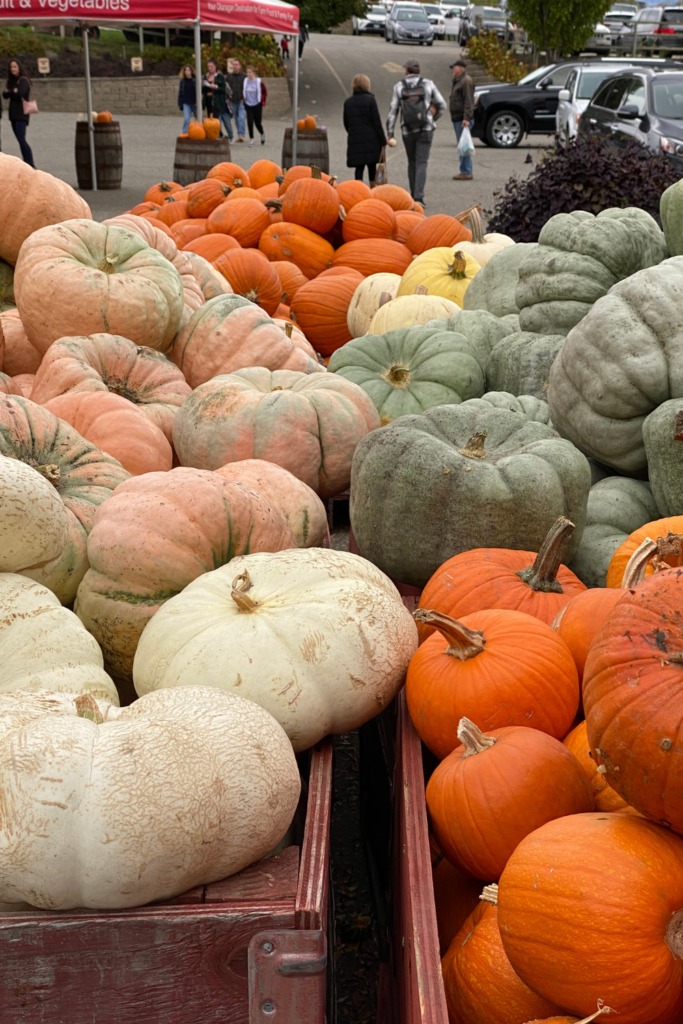
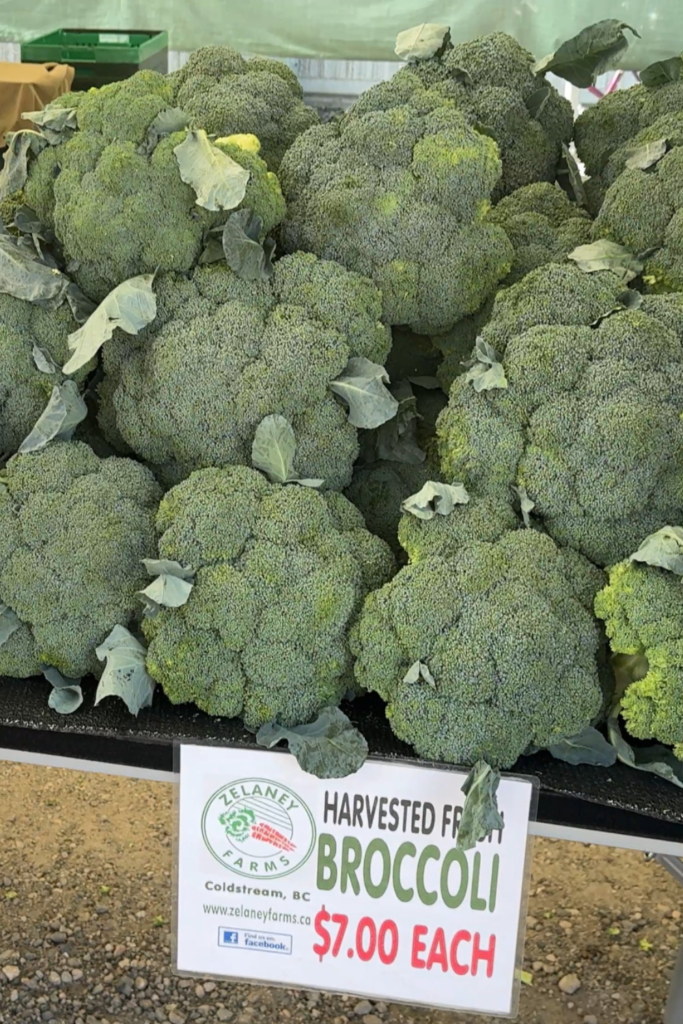
The Kelowna Farmers’ Market Experience
At the Kelowna Farmers’ Market, things felt different immediately.
Vendors could tell me:
- Which farm the produce came from, for example where they’re located and how long they’ve been growing for
- When it was picked
- How it was grown
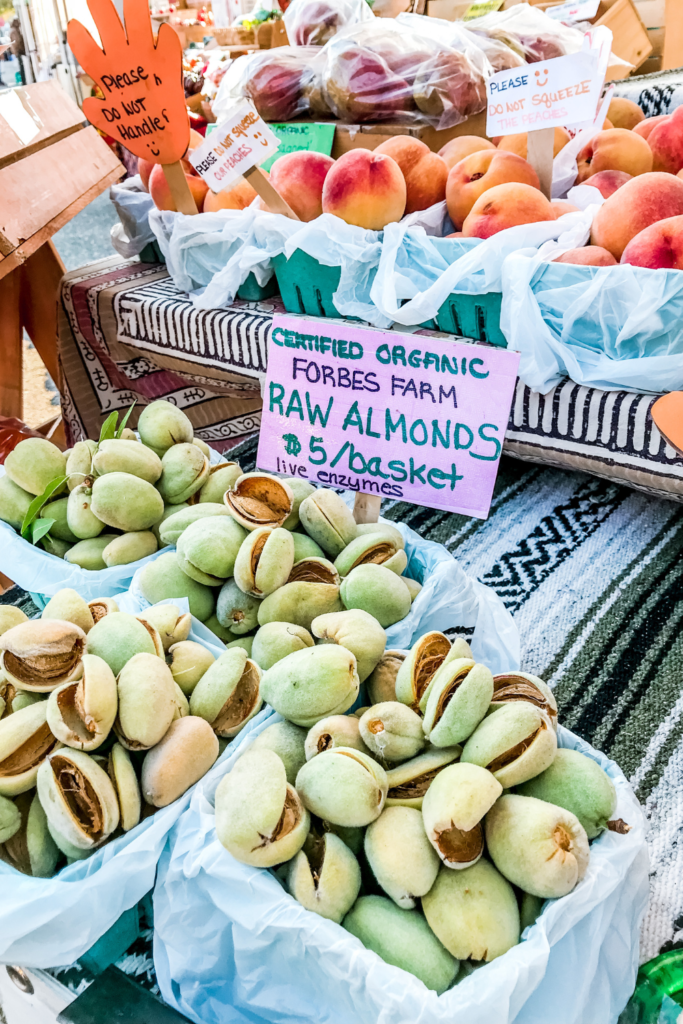
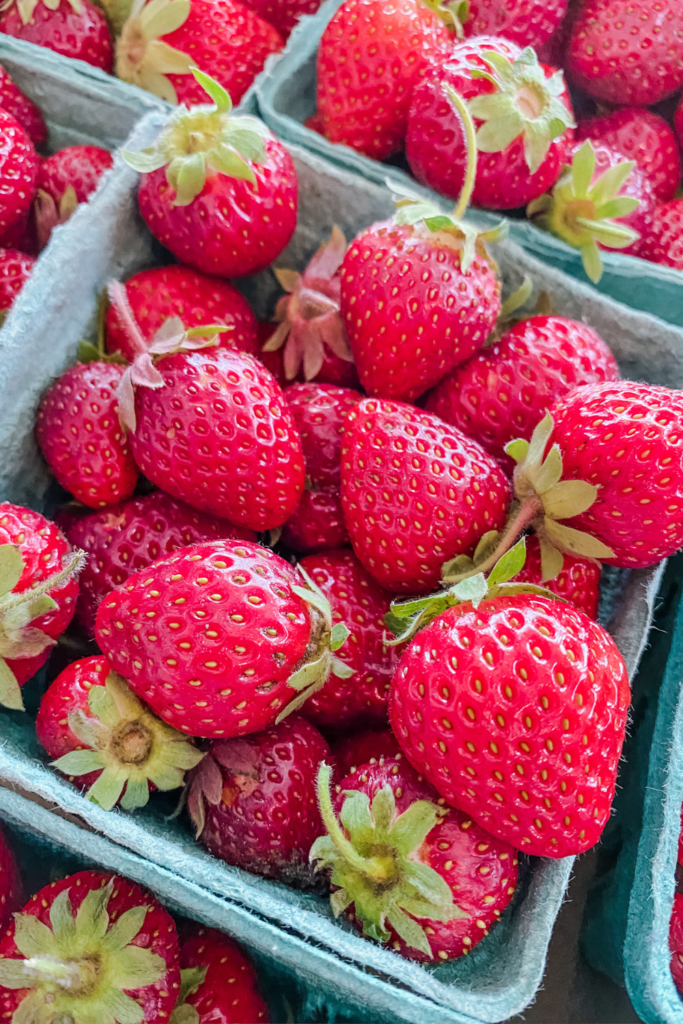
Most of the fruit had been harvested within 24–48 hours.
The peaches were massive in size and sweet, ready to be eaten and incredibly soft. The items I needed were shockingly competitive — especially when bought in season. Watch the video for full price comparisons per item!
Garlic was the real shock in price. The massive Red Russian and culinary garlic heads were priced anywhere from $2 to $5 for larger heads. Although the grocery store was a clear winner in price when it came to garlic, the intense taste from the farmers’ market was overwhelmingly higher in quality.
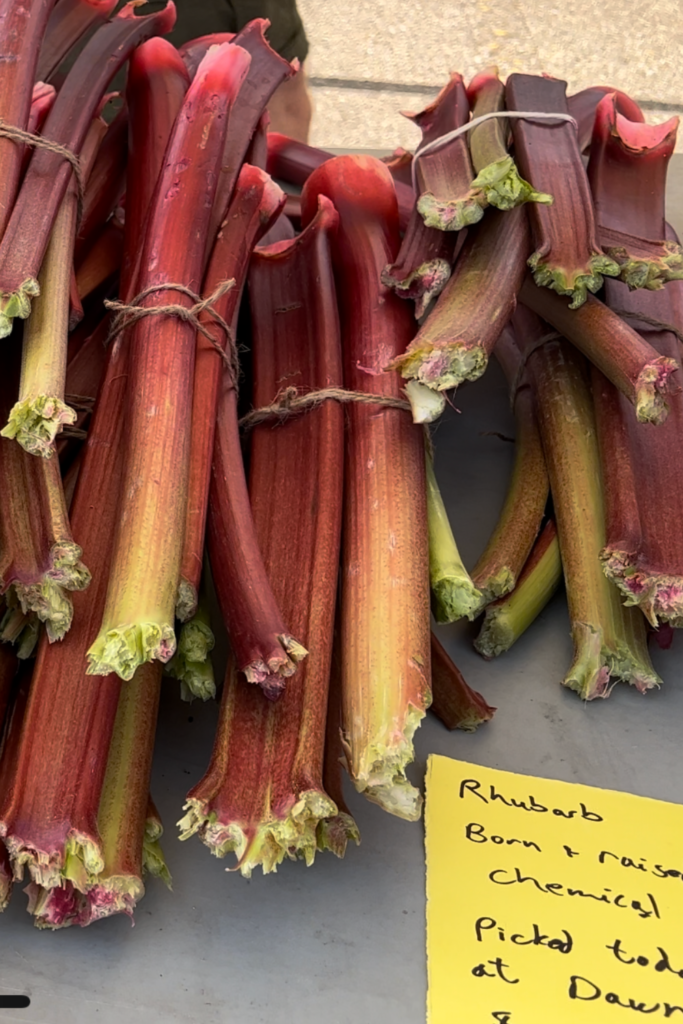
Price Comparison: Was the Farmers’ Market More Expensive?
Here’s the honest answer: It depends.
If you’re buying Out-of-season produce, imported items, pre-packaged convenience foods the grocery store will usually win.
But if you’re shopping peak-season Okanagan produce at a Canadian farmers’ market, the gap narrows significantly and sometimes disappears entirely.
And when quality improves shelf life, you waste less.
Less waste = better value.
In addition, this answer varies based on where you are in the world. Most of the USA will agree that they can find cheaper produce at places like Walmart. A recent comment on my Youtube video revealed that the farmers market in Chicago was very expensive compared to grocery stores but I would argue that the farmer has to cover more fees including gas to get from the farmland to the city in order to make it worth their while. Here in British Columbia, farmers are our neighbours. I live a 10 minute walk from two fruit orchards, a winery and an egg farmer yet I am only 15 minutes from work and downtown. We are definitely spoiled here in the Okanagan Valley!
The Hidden Cost of Cheap Produce
There’s another layer here, when you shop at a grocery store, your money enters a national or international supply chain.
When you shop at the Farmers’ Market, your dollars:
- Stay in the local economy
- Support small farms
- Preserve agricultural land in the Okanagan
- Reduce transportation emissions
And as someone who has spent years championing local food across British Columbia and Canada, that matters to me. Especially in a region like the Okanagan Valley, where farming is part of our identity.

Love Explore local markets?
You can’t miss my article and video exploring the Granville Island Market! It is a true taste of Western Canada in one convenient space!
So… Which Should You Choose? Grocery Store vs Farmers’ Market
If you’re strictly comparing price tags in isolation, grocery stores sometimes look cheaper.
But if you’re evaluating freshness, shelf life, flavour, local economic impact, environmental footprint the Canadian farmers’ market becomes incredibly competitive.
For me, the sweet spot is balance.
I’ll still use grocery stores for pantry staples and off-season items. But during peak Okanagan harvest? I’m heading to the Kelowna Farmers’ Market.
Because when Canadian grocery prices are rising anyway, I’d rather spend intentionally.
Pin this for later